
Introduction
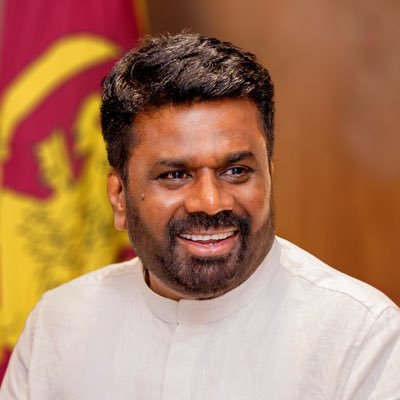
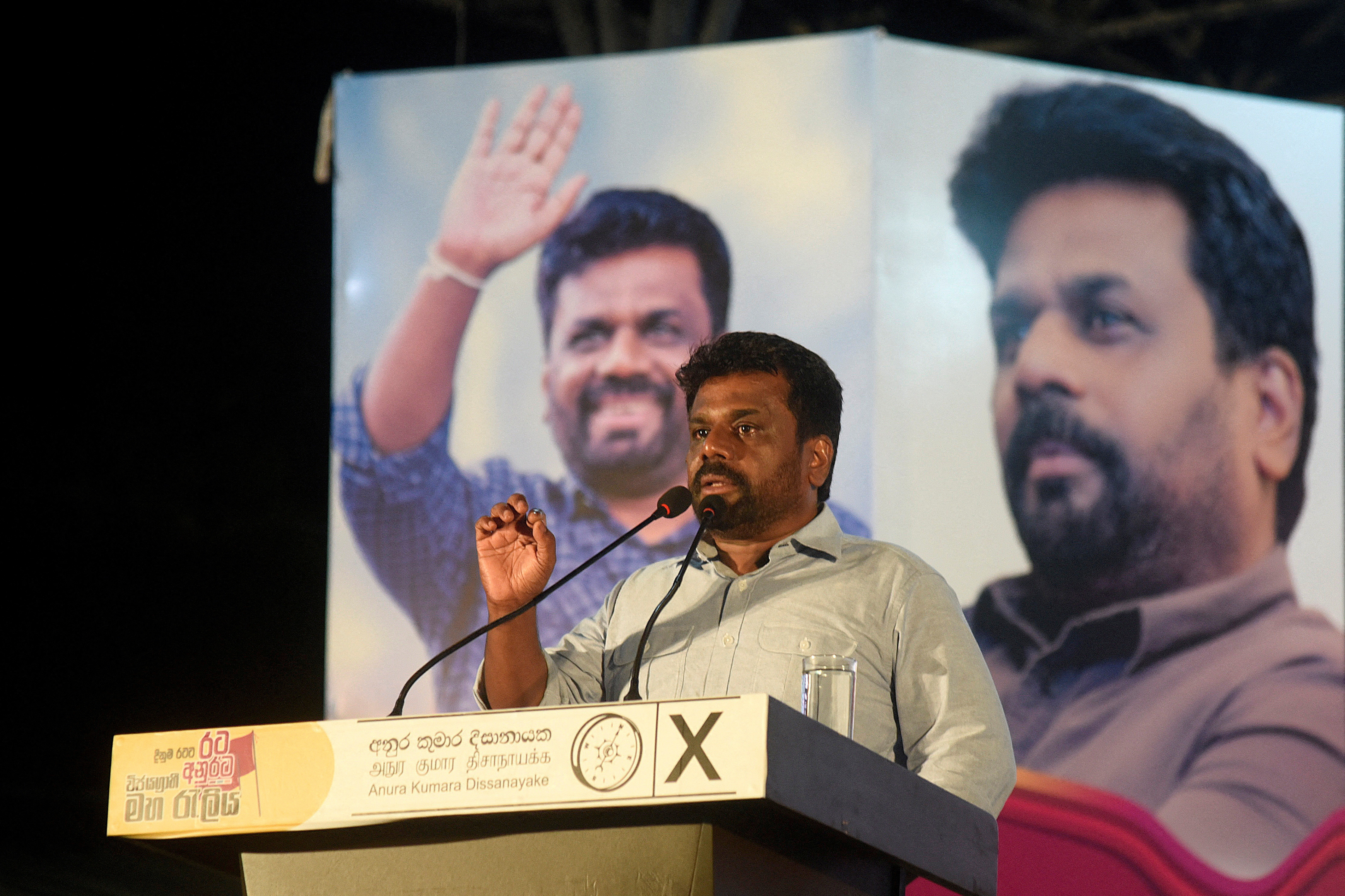
Anura Kumara Dissanayake (often abbreviated as “AKD”) is a key figure in Sri Lankan politics whose recent rise marks a significant watershed in the island’s political landscape. His background, ideology, journey through opposition politics, and his ascension to the presidency all combine into a compelling narrative of change, challenge, and potential renewal for Sri Lanka.
Early Life & Political Roots
Born on 24 November 1968 in Thambuththegama (North Central Province), Sri Lanka, Dissanayake’s early life was rooted in a rural context. (Wikipedia)
-
He studied at Thambuththegama Central College and later attended the University of Kelaniya where he graduated in Physics. (Newswire)
-
From university days, he was active in the student movement, notably the Socialist Students’ Union, the student wing of the Janatha Vimukthi Peramuna (JVP). (Wikipedia)
These early experiences helped shape his ideological leanings and his interest in grassroots activism and political organisation.
Rise Through the Opposition & Party Leadership
Dissanayake’s political journey can be segmented into key phases:
Joining JVP & Parliamentary Entry
-
He entered JVP’s central working committee (circa 1995) and rose through the ranks. (Wikipedia)
-
He became a Member of Parliament (via National List) in 2000, marking his formal entry into the national political arena. (Tamil Guardian)
Ministerial Tenure & Beyond
-
In 2004, Dissanayake served as the Minister of Agriculture, Livestock, Lands and Irrigation under the united government. (Ceylon Independent)
-
However, the JVP pulled out from the coalition in 2005, and his ministerial tenure ended. (Wikipedia)
Leadership of JVP & Formation of NPP
-
In 2014, Dissanayake succeeded Somawansa Amarasinghe as leader of the JVP. (Wikipedia)
-
In 2019-20 he led the broader coalition known as the National People’s Power (NPP) which positioned itself as a reform-oriented alternative to the traditional political parties. (Tamil Guardian)
2024 Presidential Victory & What It Signifies
One of the most pivotal moments of his career is his election as the 9th Executive President of Sri Lanka in September 2024. (Hiru News)
Historic Firsts
-
His election marked the first time a run-off (second-round counting) was required in a Sri Lankan presidential election. (Hiru News)
-
His win symbolised a break from the traditional political elite and parties that have dominated Sri Lankan politics for decades. (Tamil Guardian)
Key Themes of His Campaign
-
Anti-corruption & transparency: He promised that “no one is above the law” and emphasised the need for equal application of justice. (Ada Derana)
-
Change from the old guard: The election outcome was widely viewed as a rejection of prior leadership amid economic crisis. (The Guardian)
Political Philosophy & Policy Focus
Dissanayake is widely regarded as coming from a leftist-socialist background (via JVP), yet his tactics and policy stances show pragmatism and strategic adjustment. (Wikipedia)
Governance & Rule-of-Law
-
He has emphasised strengthening governance, transparency in tax licensing and excise procedures. (Mawrata News)
-
He has spoken about ensuring equal justice and curbing criminality. (Ada Derana)
Economic & Social Reform
-
With Sri Lanka emerging from a severe economic crisis, Dissanayake’s presidency faces the twin tasks of stabilising the economy and addressing social inequities. (Deutsche Welle)
-
His policy focus includes welfare, labour rights and restructuring state-systems to respond to a new era.
Challenges Ahead
While his victory is significant, Dissanayake’s path is filled with challenges:
-
Economic recovery: Sri Lanka faces large debt burdens, foreign-exchange constraints and a pressing need for structural reforms.
-
Parliamentary support: Although he is president, his party initially held a minimal representation in parliament, complicating legislative momentum. (Le Monde.fr)
-
Balancing geopolitics: As Sri Lanka grapples with relationships with India, China and other partners, Dissanayake must navigate foreign policy carefully.
-
Bridging ideology and governance: Translating reform-oriented socialist rhetoric into effective policy frameworks and administrative capacity is a big hurdle.
Why Anura Kumara Dissanayake Matters
Here are key reasons why his profile is important for Sri Lanka in 2025 and beyond:
-
Break from tradition: His ascent signals possible realignment of political power away from old dynasties and entrenched elites.
-
Focus on governance & equity: His rhetoric emphasises social justice, transparency, and the rights of ordinary citizens.
-
Reform momentum: In a country that has undergone crisis, his leadership presents an opportunity for renewal across political, economic and social dimensions.
-
Symbolic value: For youth, activists and reform-minded voters, his journey from student politics to presidency serves as inspiration.
SEO-Friendly Elements to Note
-
Main keyword: Anura Kumara Dissanayake (used in title, headers, and naturally throughout the text)
-
Secondary keywords: Sri Lanka president, NPP Sri Lanka, JVP leader, Sri Lankan politics 2024, rule of law Sri Lanka
-
Use of headings (h2, h3) to improve readability and structure
-
Meta description suggestion:
“Discover the rise of Anura Kumara Dissanayake – from student activist to Sri Lanka’s 9th Executive President. Explore his political journey, ideology, major challenges and what his leadership means for the country.”
-
Internal linking opportunities: link to pages about the JVP, NPP, Sri Lanka 2024 election, etc.
-
External linking: link to authoritative sources (e.g., Wikipedia, major news outlets) as reference.
Conclusion
Anura Kumara Dissanayake’s story is one of persistence, ideological clarity and unexpected victory. As Sri Lanka enters a new chapter under his presidency, his ability to deliver politically, economically and socially will be closely watched. For anyone interested in South Asian politics, governance reform or socialist-reform movements in democratic contexts, his journey offers valuable insight.
Would you like me to prepare a detailed timeline of his political career (with major milestones), or an analysis of his key policy proposals and how they compare with past Sri Lankan administrations?
Comments
Post a Comment