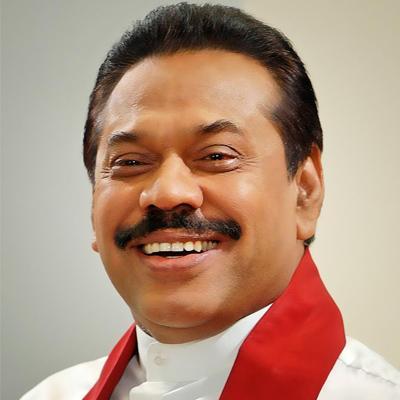

Mahinda Rajapaksa: A Comprehensive Look at Sri Lanka’s Transformative Yet Controversial Leader
Introduction
In the political history of Sri Lanka, few figures have been as influential—and polarising—as Mahinda Rajapaksa. Serving as President from 2005 to 2015 and later as Prime Minister, his tenure marked a defining era for the nation’s politics, infrastructure, and international alignments. This blog post will examine his life, leadership, accomplishments, controversies, and enduring legacy.
Early Life & Political Roots
-
Mahinda Rajapaksa was born on 18 November 1945 in Weeraketiya, Hambantota District, Sri Lanka. (Encyclopedia Britannica)
-
His father, D. A. Rajapaksa, was a prominent politician, which embedded Mahinda in a political environment from an early age. (Wikipedia)
-
He entered Parliament in 1970 at the age of 24, representing the Beliatta constituency, making him one of the youngest MPs. (Al Jazeera)
-
His academic background included studies in law, qualifying as an attorney in the early 1970s. (Encyclopedia Britannica)
Rise to Power & Presidency (2005-2015)
The 2005 Election & Mandate
Rajapaksa was elected President in 2005, riding a platform of nationalistic security and economic development. (Al Jazeera)
Ending the Civil War
A major hallmark of his presidency was the decisive defeat of the Liberation Tigers of Tamil Eelam (LTTE) in 2009, ending a nearly three-decade-long conflict in Sri Lanka. (The Times of India)
-
This victory significantly boosted his popularity, especially among the Sinhala majority. (The Times of India)
-
However, it also drew international criticism for allegations of human rights violations during the final phases of the war. (Al Jazeera)
Infrastructure & Development Focus
During his term, Rajapaksa emphasised large infrastructure projects, foreign investment (notably from China), and increased connectivity. (Encyclopedia Britannica)
Political Strategy & Family Influence
-
His leadership style was marked by strong centralisation of power and reliance on loyalists—including his own family members in key positions. (Encyclopedia Britannica)
-
He won re-election in 2010 with a commanding mandate following the war victory. (The Times of India)
Post-Presidency & Return to Power
-
After losing the presidency in 2015, Rajapaksa remained an influential figure in Sri Lankan politics. (Wikipedia)
-
He served multiple terms as Prime Minister, including being sworn in again in 2020—his fourth time in the role. (srilanka.org.tr)
Achievements & Legacy
Key Achievements
-
National Security: Ending the civil war is widely seen as his most defining achievement.
-
Infrastructure Expansion: Under his presidency, major road, port, airport and housing projects were launched across the country.
-
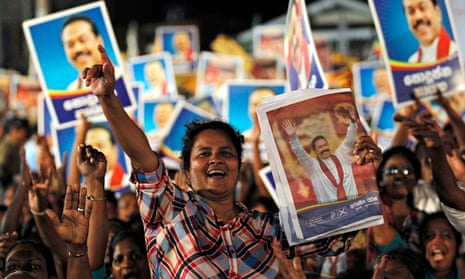
Electoral Appeal: His grassroots, southern-based approach won large support among rural Sinhalese voters, giving him staying power in Sri Lanka’s electoral politics.
Legacy in Two Parts
-
Positive: Many supporters credit him with bringing stability and a sense of national pride post-war, increased regional connectivity, and an assertive foreign policy.
-
Critical: Many analysts argue his era saw increased nepotism, weakening of democratic institutions, mounting external debt, and controversies over human rights. (The Times of India)
Controversies & Criticisms
-
Human Rights: The end of the war came amid allegations of sizeable civilian casualties and humanitarian concerns, issues that continue to attract international scrutiny. (Al Jazeera)
-
Nepotism & Governance: Critics allege that Rajapaksa concentrated power within his family and close circle, raising concerns about transparency and governance. (Encyclopedia Britannica)
-
Economic Risks: The rapid infrastructure push included large foreign loans, some analysts view these as contributing to long-term financial vulnerabilities. (Encyclopedia Britannica)
Why Mahinda Rajapaksa Matters for Sri Lanka in 2025
-
He shaped the post-war era in Sri Lanka, influencing not just policies but political dynamics, electoral behaviour, and diplomatic direction.
-
His style and decisions continue to influence current political debates: governance, accountability, the role of strong-man leadership vs democratic norms.
-
Understanding his legacy is vital to understanding current Sri Lankan infrastructure, foreign relations (especially with China/India), and political culture.
Key Takeaways for Readers
-
Charismatic & Decisive: Rajapaksa’s political strength lay in his ability to project decisive leadership, particularly in crisis.
-
Large Ambition, Large Risks: Big projects can bring national pride—but also long-term obligations and governance challenges.
-
Legacy Is Mixed: The narrative of Rajapaksa is not simply one of victory or decline; his era is complex and multi-layered.
-
Still Relevant: Even after stepping down from the presidency, his influence in Sri Lankan politics remains strong.
Conclusion
Mahinda Rajapaksa remains one of the most consequential figures in Sri Lanka’s modern history. Whether viewed as a liberator who ended a brutal war, or a leader whose tenure raised serious concerns about accountability, his impact is undeniable. For students of politics, governance, or South Asian studies, his journey offers a rich case study in power, ambition, and national transformation.
Would you like me to pull together a detailed timeline of Mahinda Rajapaksa’s political milestones, or focus on how his policies shaped Sri Lanka’s economy and foreign relations?
Comments
Post a Comment